01 / Connected systems
Sensing, IoT, and data pipelines
Environmental sensors, Raspberry Pi, Pico W, MQTT, cellular and cloud routing, workflow automation, dashboards, surveys, and messaging.
Industry engineering profile
The engineering portfolio develops and evaluates sensing, simulation, control, and decision-support workflows for buildings and occupants. The emphasis is end-to-end ownership: requirements, architecture, implementation, testing, results, and verification.
Capabilities
Methods and tools are organized around the question, system, and evidence - not presented as an isolated software inventory.
01 / Connected systems
Environmental sensors, Raspberry Pi, Pico W, MQTT, cellular and cloud routing, workflow automation, dashboards, surveys, and messaging.
02 / Building performance
EnergyPlus, TRNSYS/TRNBUILD, Radiance, Ladybug/Honeybee, envelope analysis, daylight, glare, thermal comfort, and system comparison.
03 / Computation
Rhino/Grasshopper, multi-objective optimization, Python workflows, regression, neural networks, PCA, clustering, and surrogate modeling.
04 / Verification
Traceable assumptions, sensitivity studies, held-out comparisons, field troubleshooting, QA, and reproducible reporting.
Industry translation
Requirements, interfaces, data flow, component selection, and traceable implementation decisions.
Simulation, field measurements, sensitivity analysis, validation logic, and decision-ready reporting.
Connected devices, automation workflows, dashboards, adaptive controls, and testable user feedback.
Technical communication across engineers, researchers, designers, stakeholders, and study participants.
Flagship work
Connected sensing, adaptive facades, whole-building performance, HVAC sensitivity, and predictive modeling.
 01
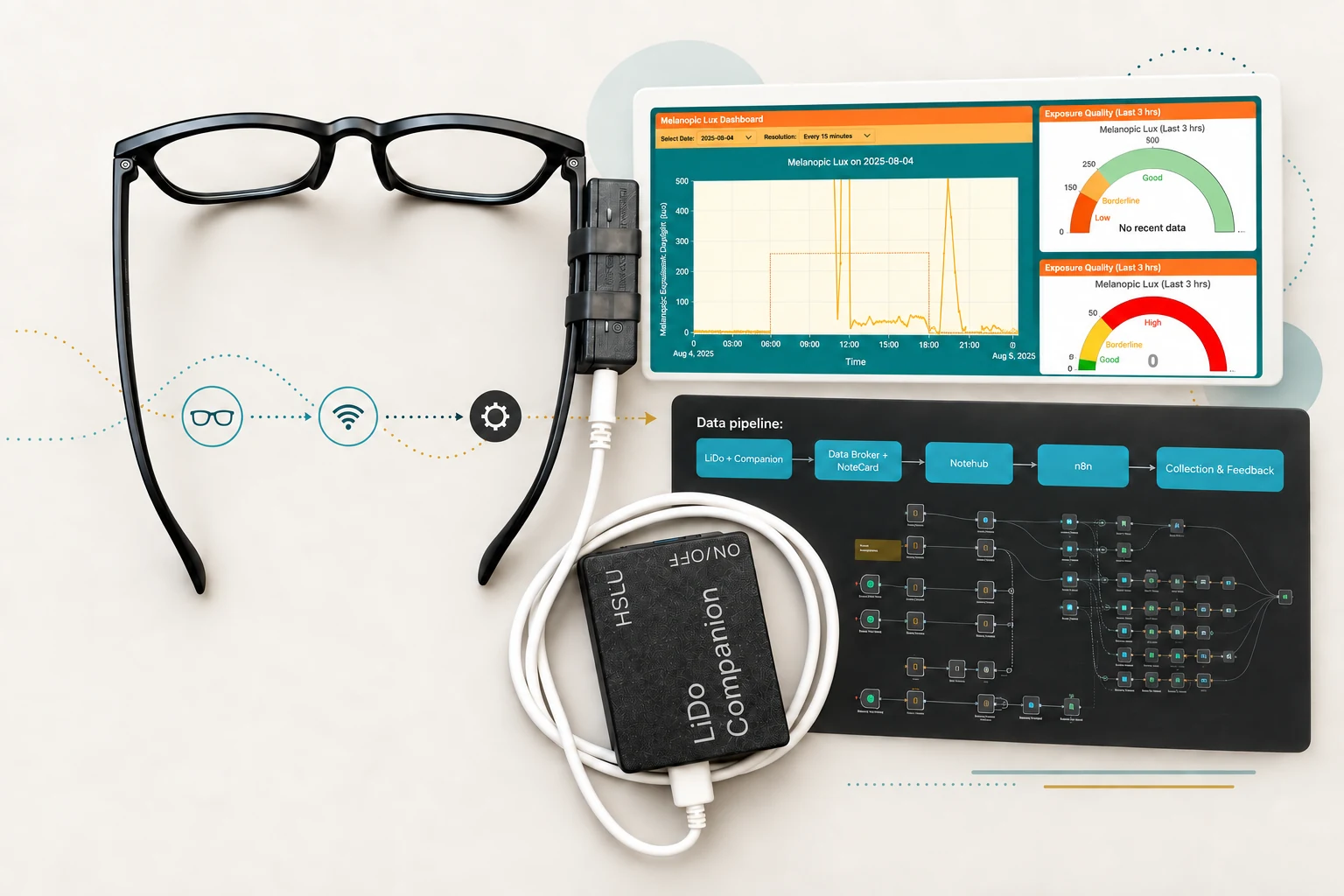
01A wearable-to-cloud system connecting light sensing, embedded hardware, MQTT, automation, dashboards, surveys, and messaging.
 02
02An end-to-end workflow linking parametric geometry, Radiance and energy simulation, NSGA-II optimization, regression, and control logic.
 03
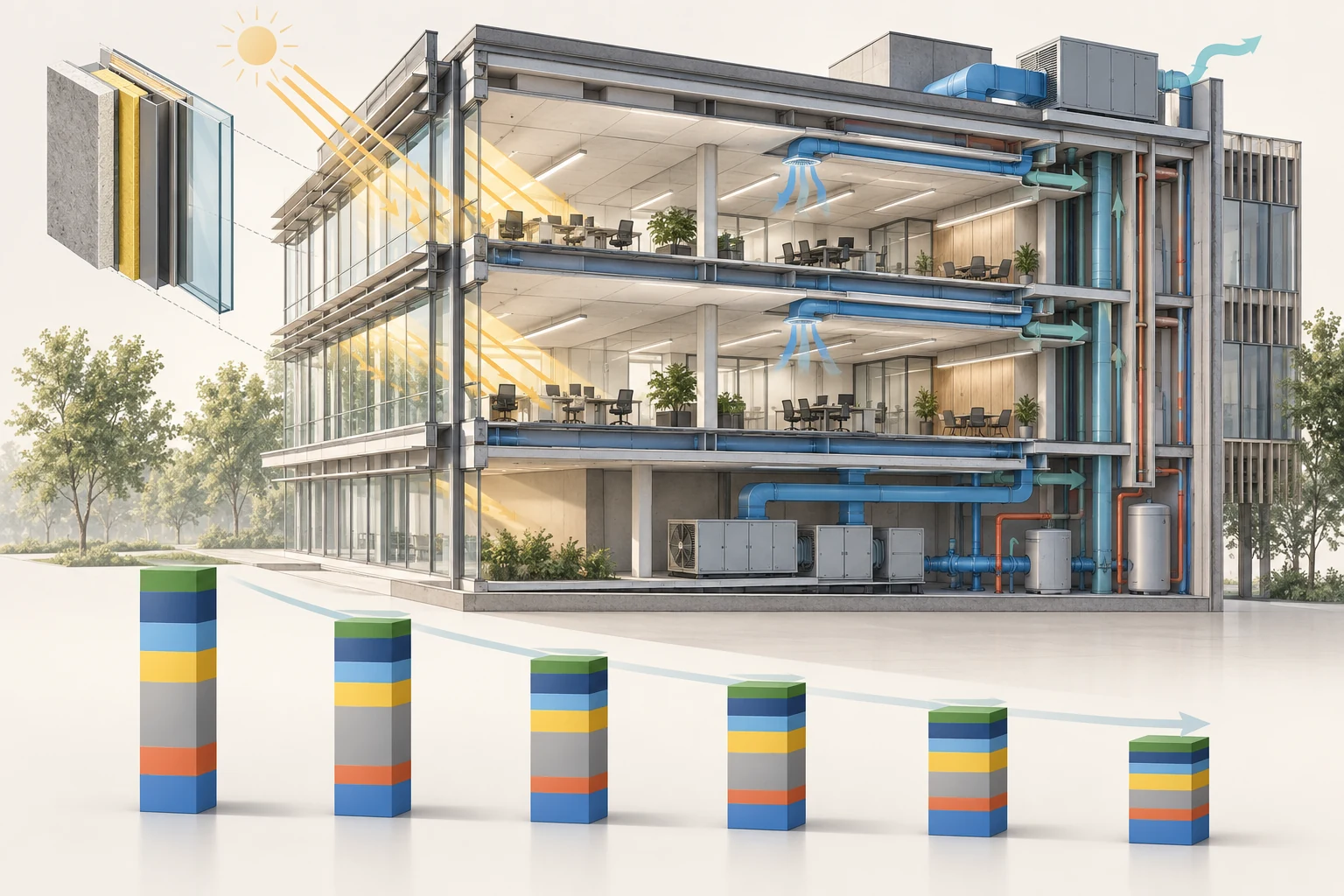
03A staged EnergyPlus study of a DOE small-office model, testing simulation settings, envelope assemblies, lighting, shading, and HVAC alternatives.
 04
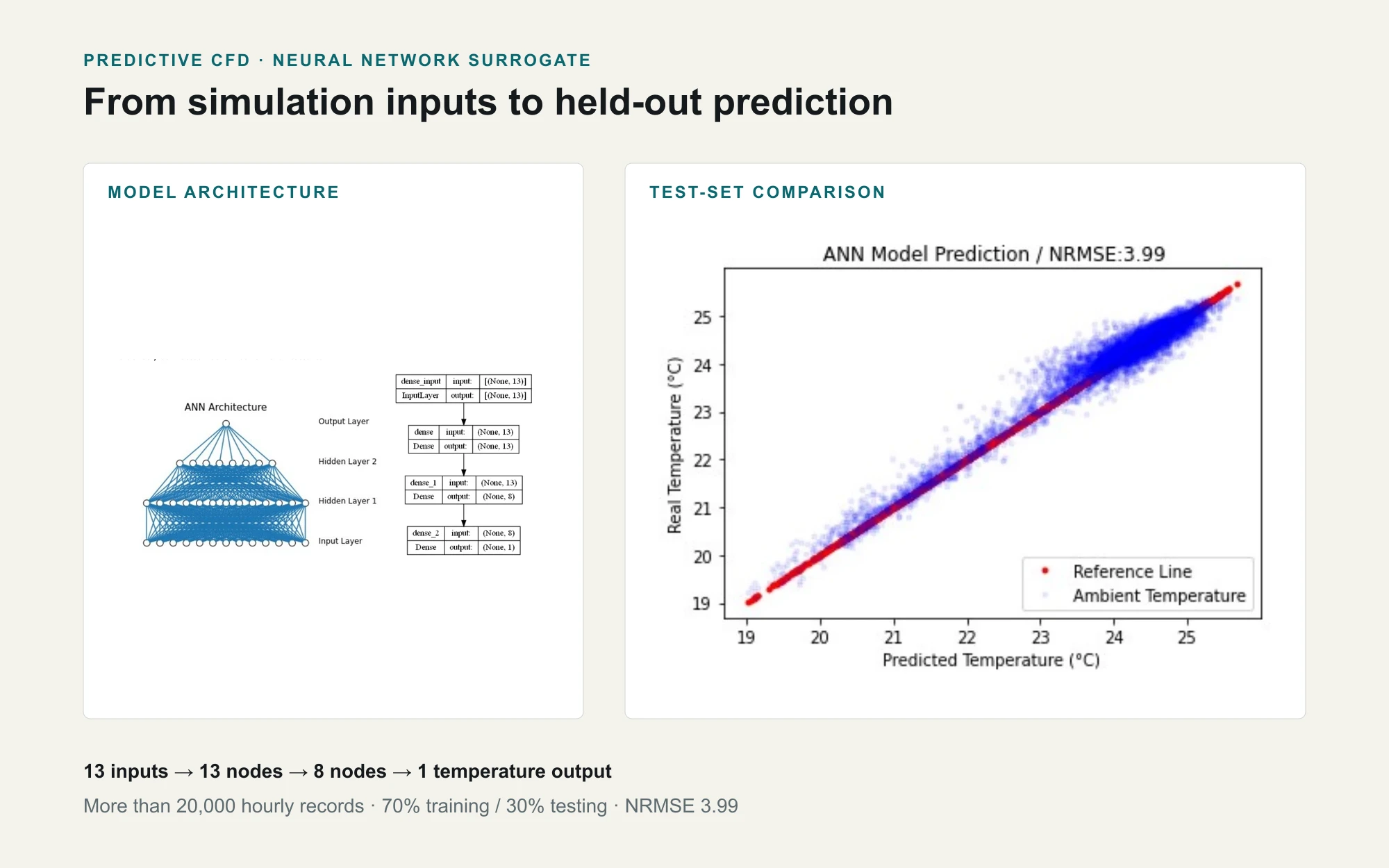
04A neural-network surrogate trained on more than 20,000 simulation records to explore faster performance feedback for building analysis.
 05
05TRNSYS models of ventilation, ground heat exchange, shading, solar thermal, and BIPV reveal how system choices change energy and comfort.
Related work
Related engineering work adds integrated performance studies, field sensing, decision prototypes, healthcare systems, and adaptive reuse.
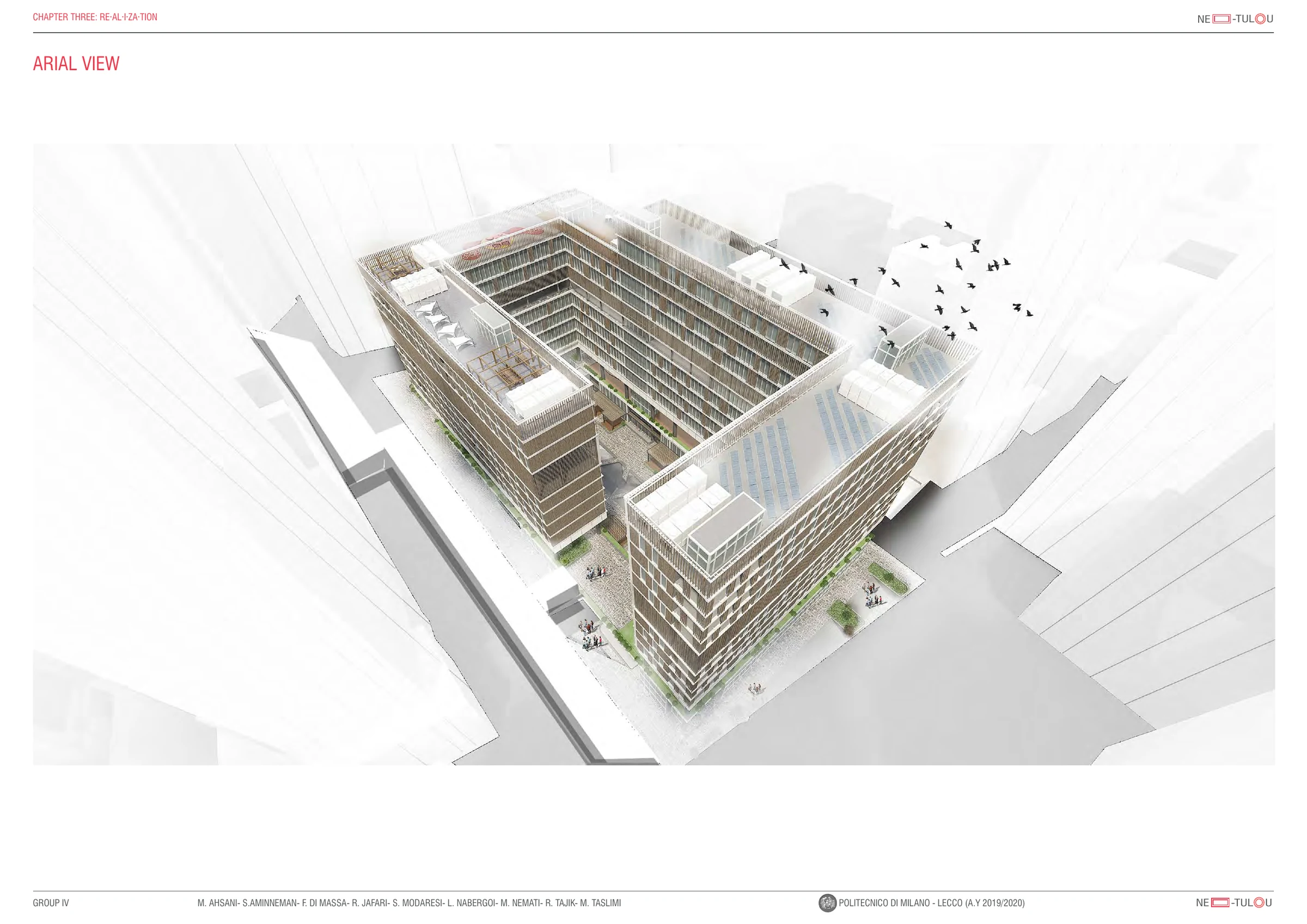 01
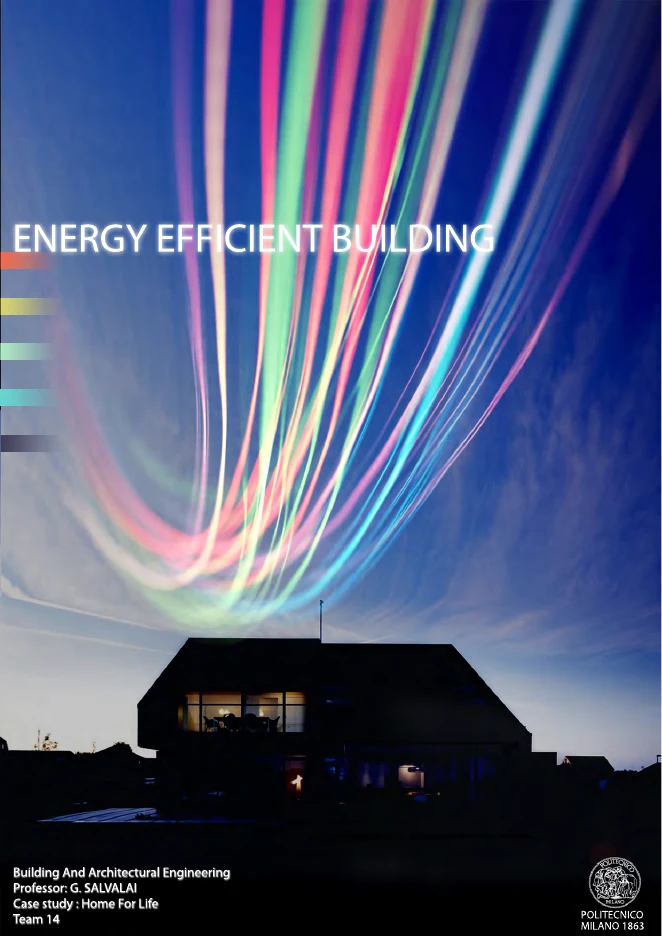
01Daylight, energy, comfort, HVAC, envelope, and detail studies developed alongside the NEO-TULOU architectural proposal.
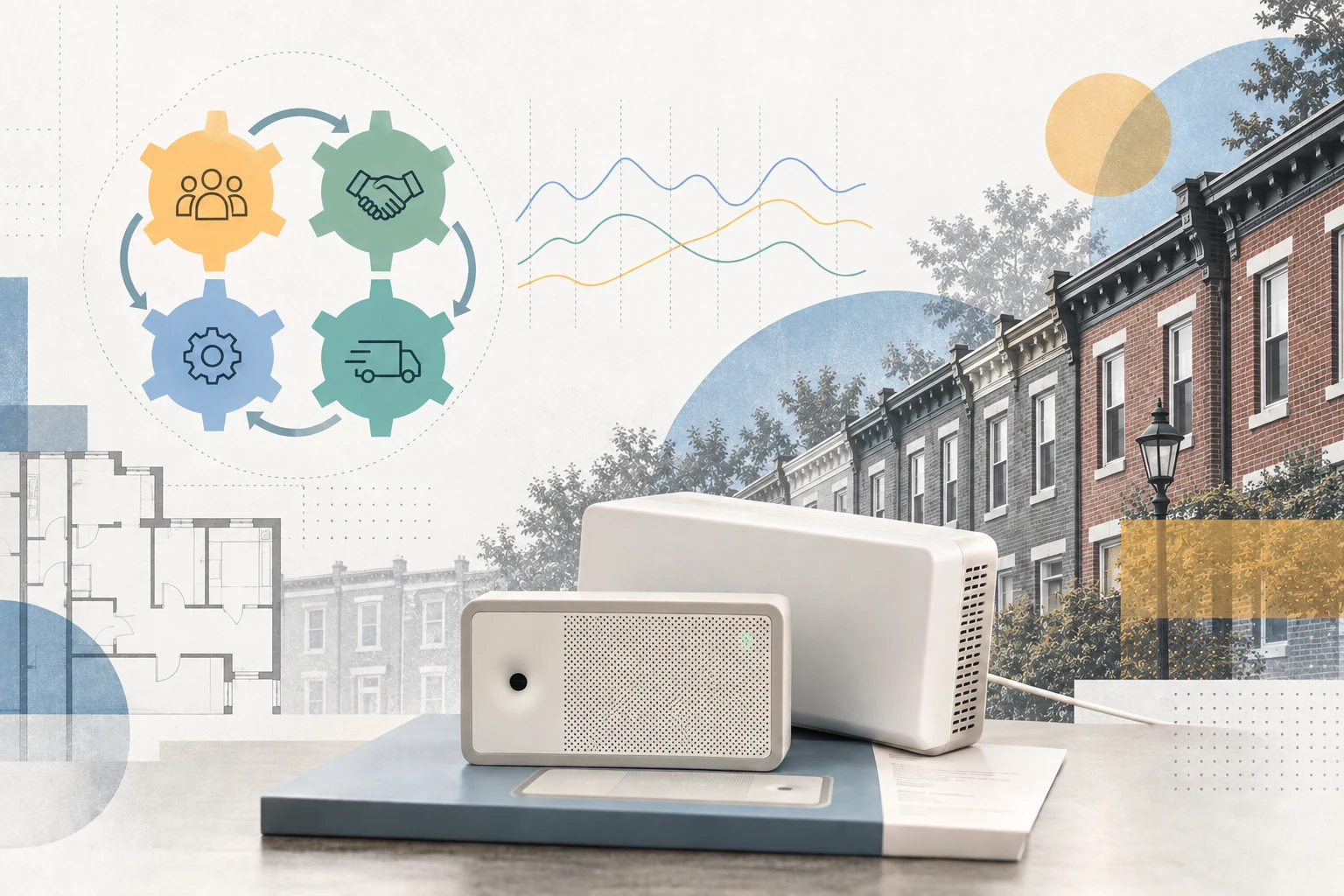 02
02A 54-household Philadelphia field program showing how community partnerships, privacy, connectivity, monitor selection, and deployment logistics determine the quality of residential IAQ evidence.
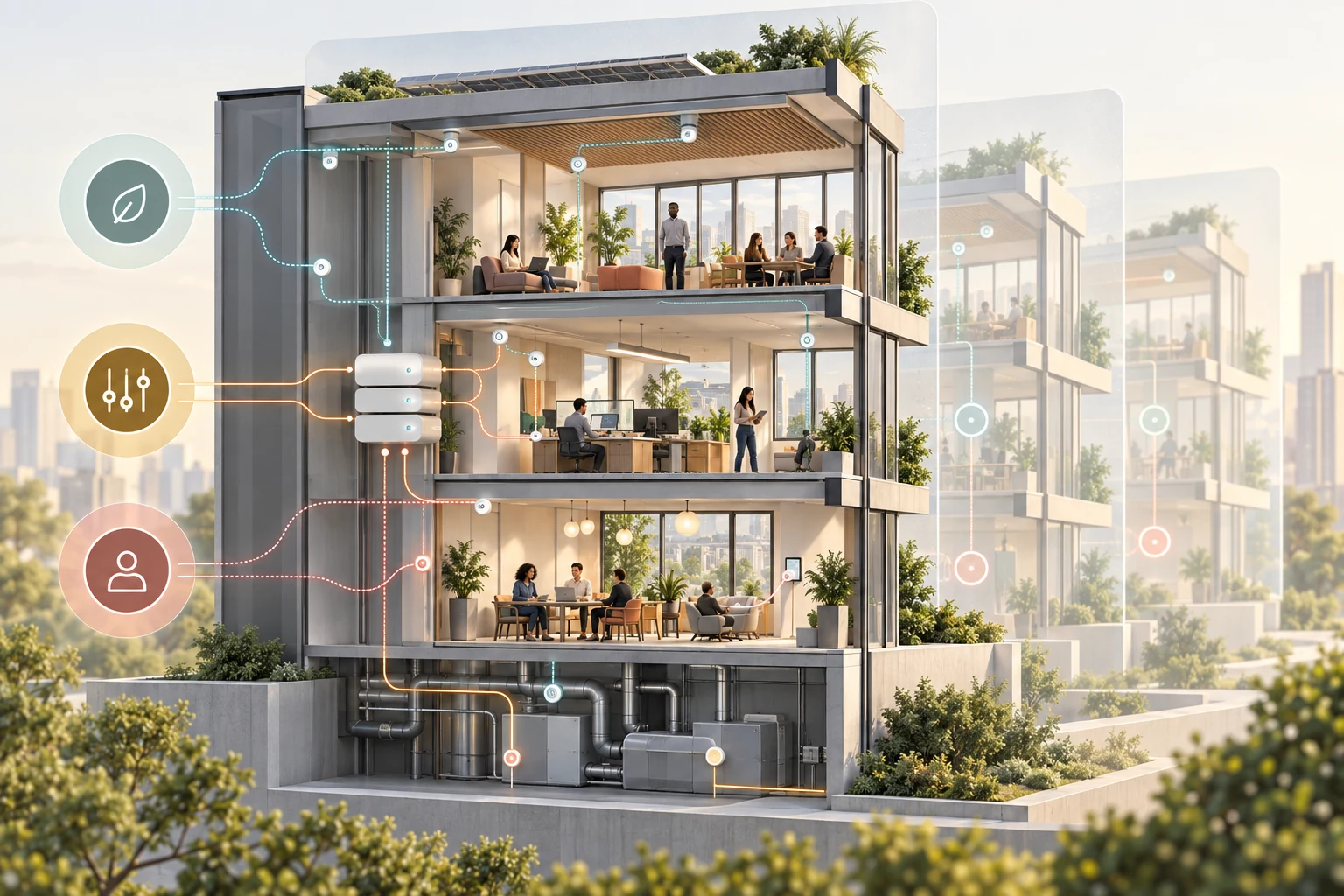 03
03A 17-author roadmap for moving enabling technologies for wellbeing-oriented intelligent buildings from isolated components toward usable, interoperable systems.
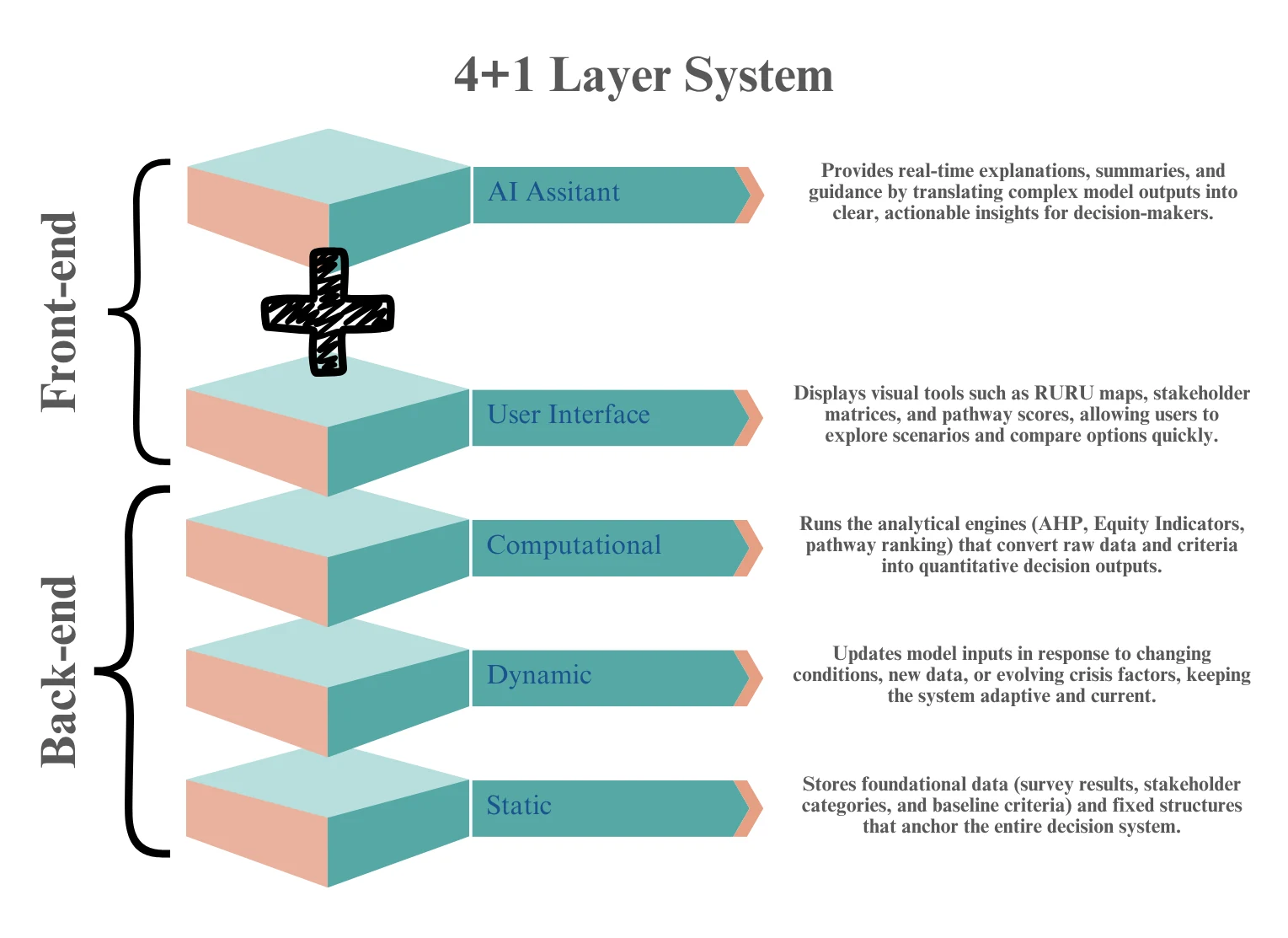 04
04A decision-support framework for prioritizing school investments across resources, urgency, regulation, uncertainty, equity, stakeholders, and governance.
 05
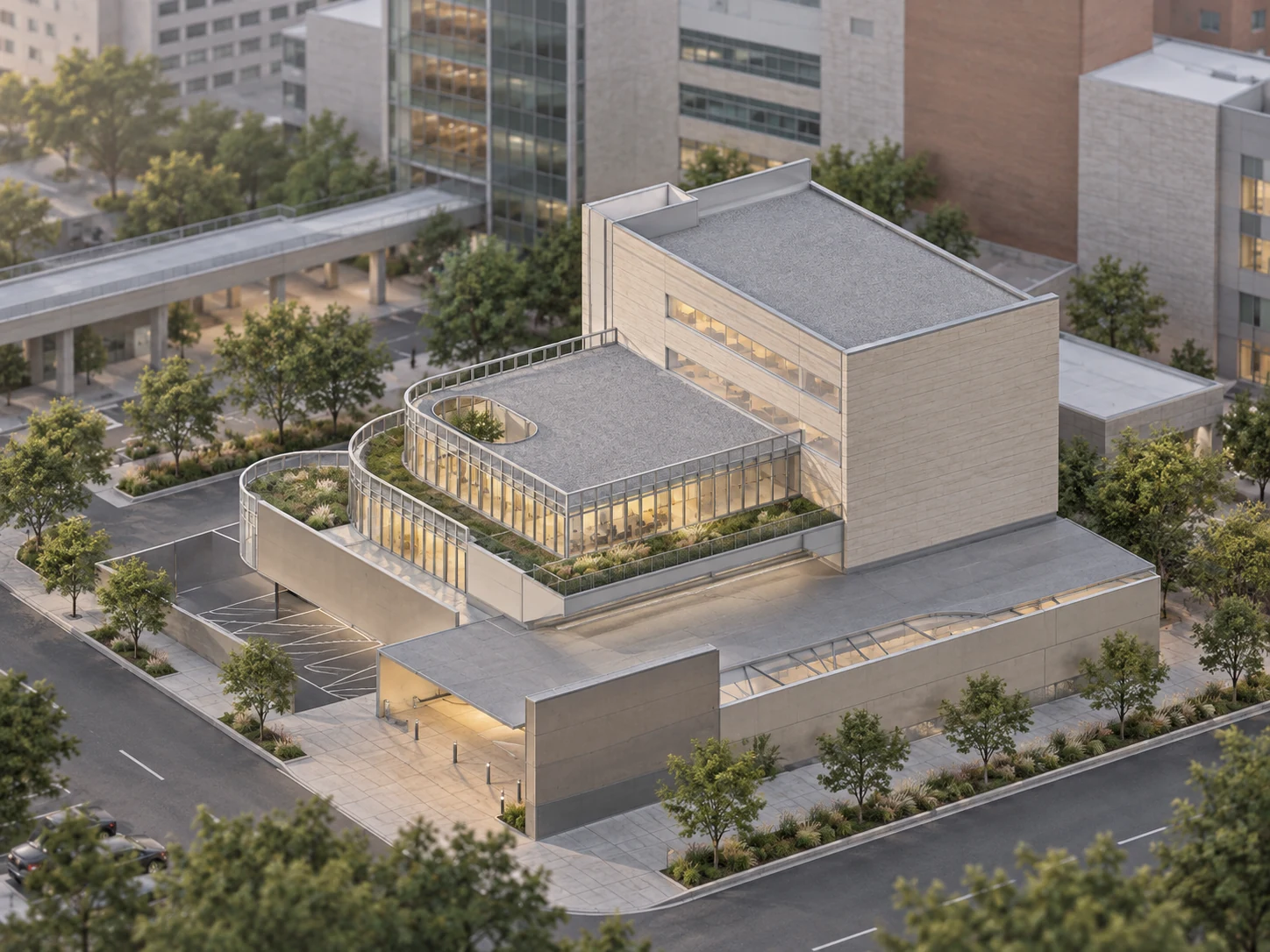
05A third-place healthcare concept combining behavioral-health planning, a calmer patient experience, and an integrated all-outdoor-air HVAC strategy.
A Wells–Riley analysis comparing outdoor-air ventilation and portable-air-cleaner capacity for infection-risk control in a sports-center scenario.
 07
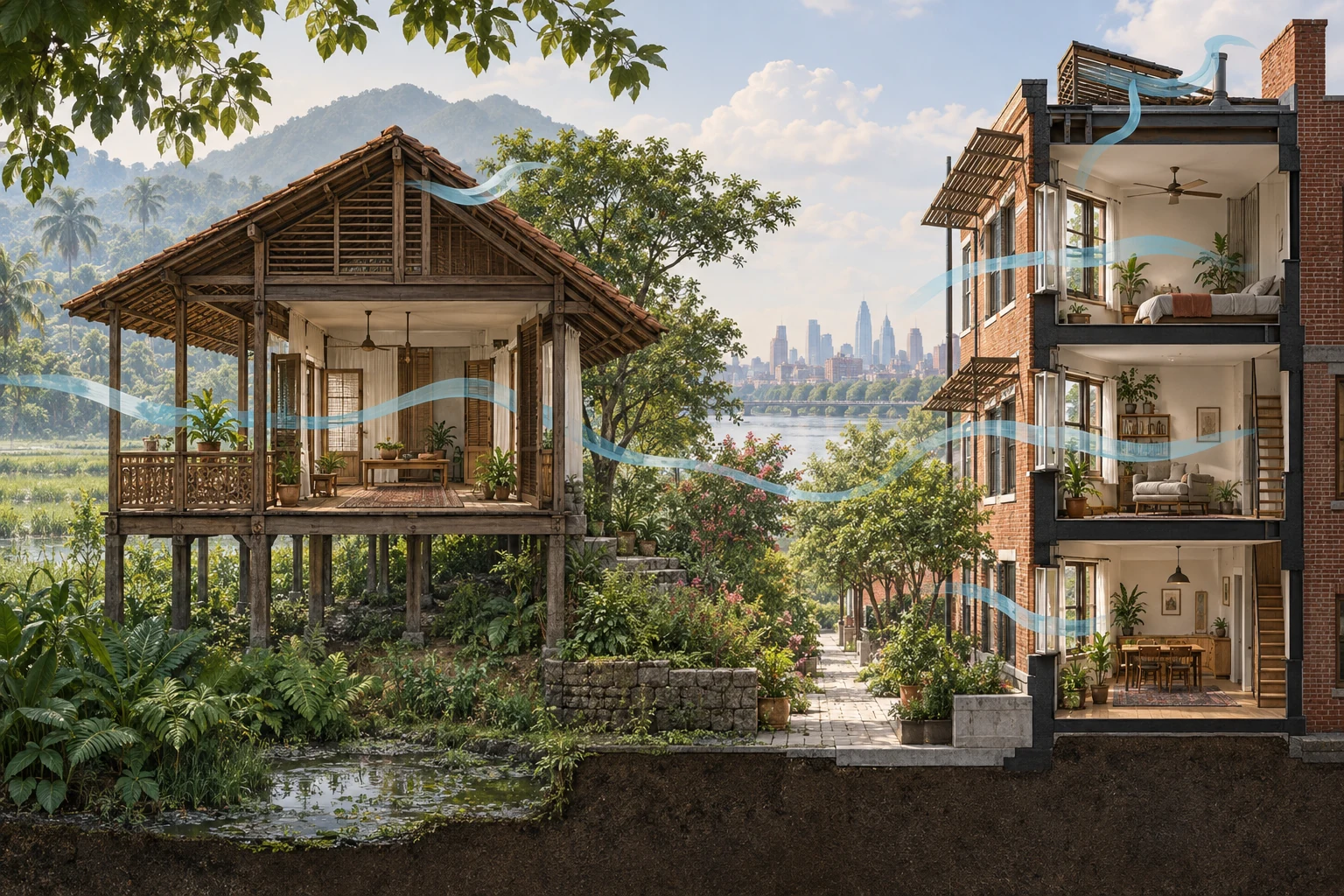
07Comparative climate and precedent analysis connecting Guilan’s humid-climate passive strategies with contemporary overheating questions in Philadelphia housing.
 08
08An adaptive-reuse proposal transforming an existing site in Lecco into a hiking and mountain-sports hub with renewed circulation, envelope, and public identity.
Contact