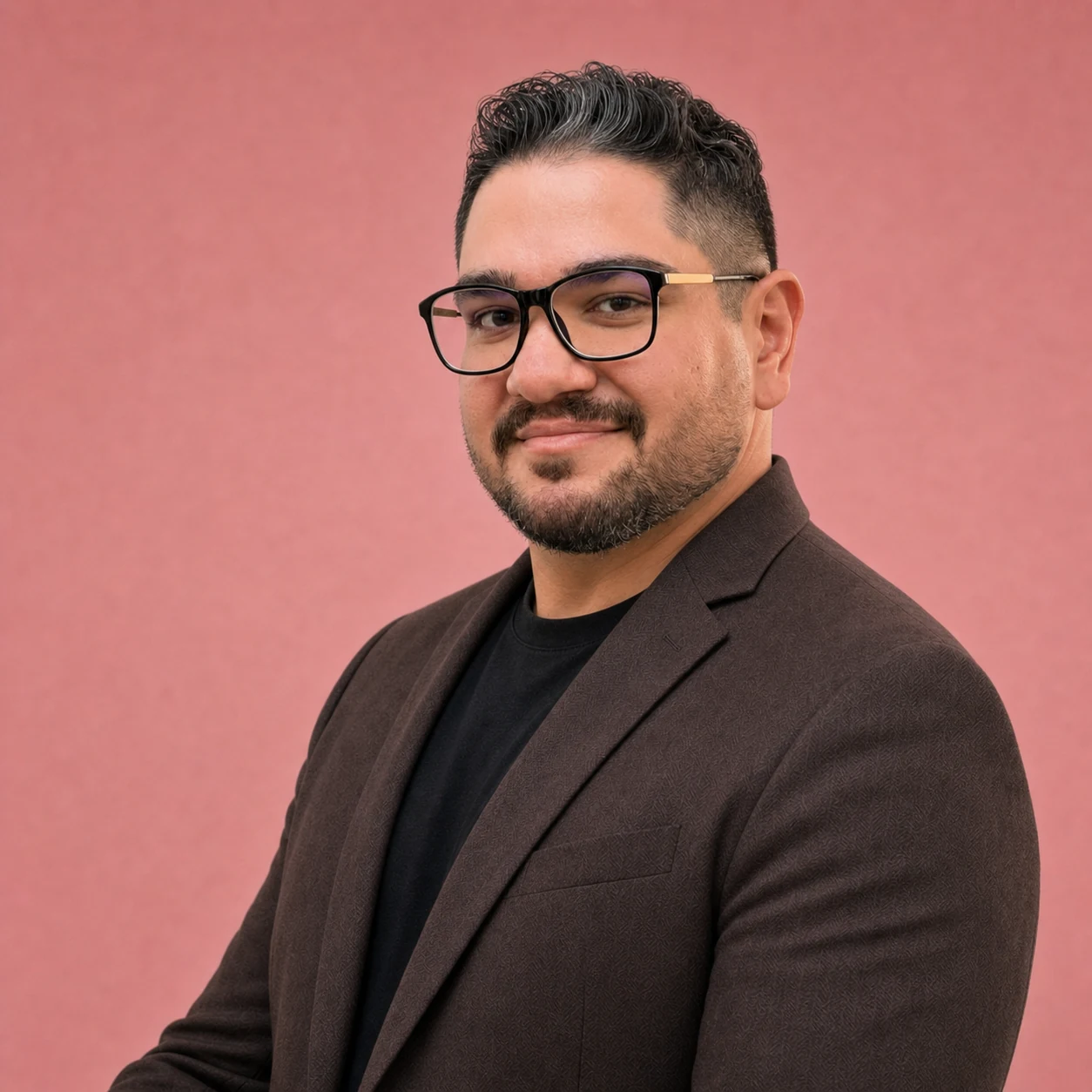

Portrait of Ramyar Tajik

ENGINEERING · RESEARCH · DESIGN

Architectural Engineering Ph.D. Candidate

Ramyar Tajik

Engineering researcher with a design background.

Field-deployed sensing, published building-science research, and performance-driven design. Ramyar connects environmental measurement and computational models to working systems and decisions people can use.

Selected workSignature case studies

Selected work

The Spotlight

Each case starts with Ramyar's contribution, the result, and the evidence behind it.

View

Cover framesResearchEngineeringDesign
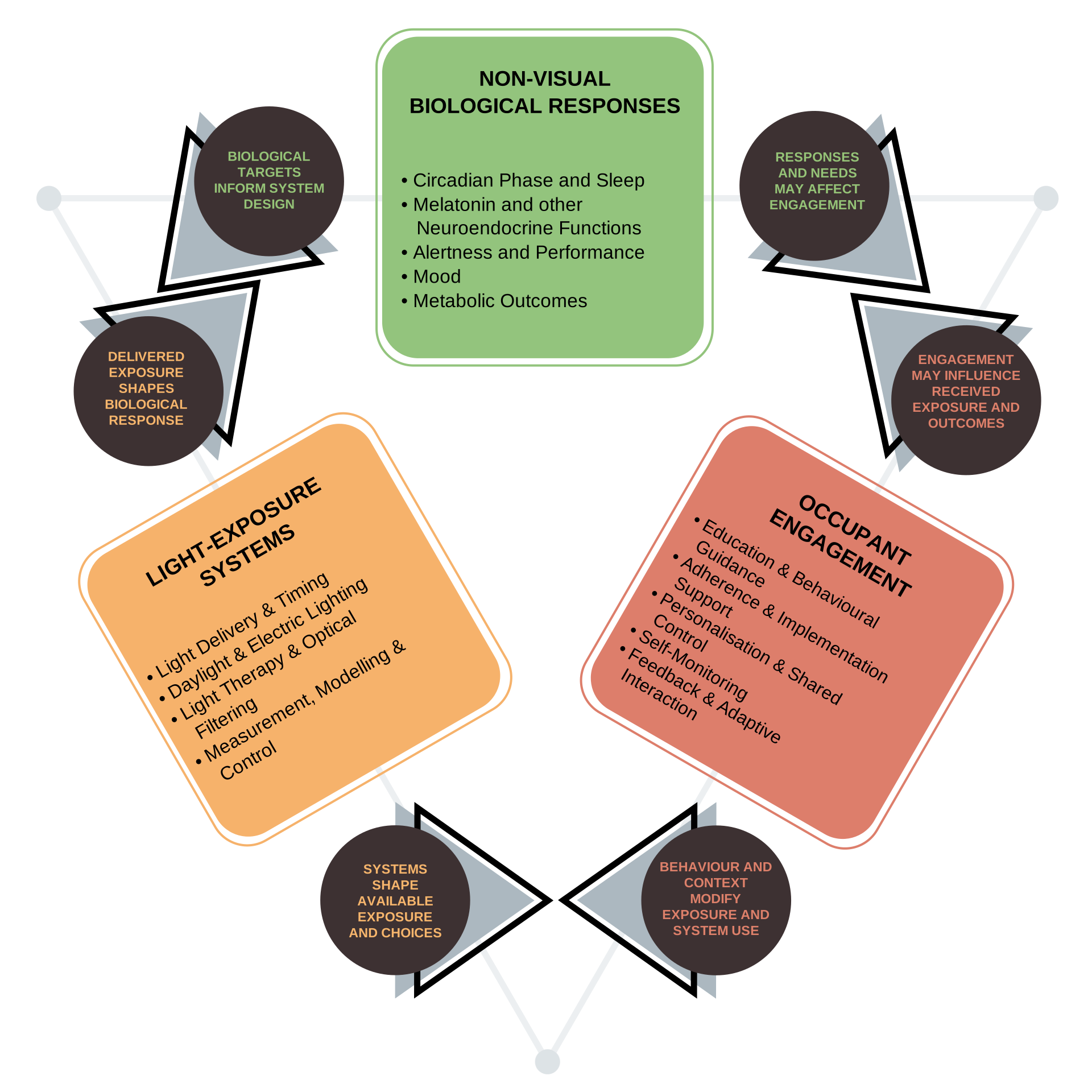
TRIAD manuscript Figure 1 connecting non-visual biological responses, light-exposure systems and occupant engagement.
Cover frame: Research (primary).03
Systematic evidence map2025–present

Circadian-Supportive Lighting Triad Framework

A circadian-lighting evidence synthesis mapping biological responses, exposure systems and occupant engagement through systematic review, publication coding and a three-domain framework.

Contribution
First author and project lead: framework, screening, synthesis, and evidence visualization.
Result
728 publications, 646 study families; qualifying occupant engagement in 13.8% of families.
Conceptual editorial rendering of a responsive exterior shading façade under changing daylight.
Cover frame: Engineering (primary); Research (secondary).04
Peer-reviewed engineering study2021 · Article published 2024

Occupant Centered Automated Kinetic Shading Design Implementing Multi-Objective Optimization

A computational façade-design study balancing daylight, glare and energy use through Rhino/Grasshopper, Radiance, EnergyPlus, NSGA-II optimization and preference regression.

Contribution
Project lead: simulation, optimization, preference modeling and digital control; first author.
Result
Published five-strategy comparison, Pareto-front optimization, and a live controller demonstration.

Methods, perspectives, and background

Behind the work

A closer look at the methods, disciplines, and training behind the projects.

01 / Working method

Measure, model, interpret, act.

  1. MeasurePersonal light, indoor air, building conditions, and participant experience.
  2. ModelEnergy, daylight, airflow, and responsive systems.
  3. InterpretTime series, mixed methods, and evidence synthesis.
  4. ActControls, dashboards, design decisions, and feedback.
Methods and technical capabilities

02 / Engineering

Systems with an inspectable record.

Model inputs, parameter choices, implementation diagrams, and comparison results are connected to their source reports.

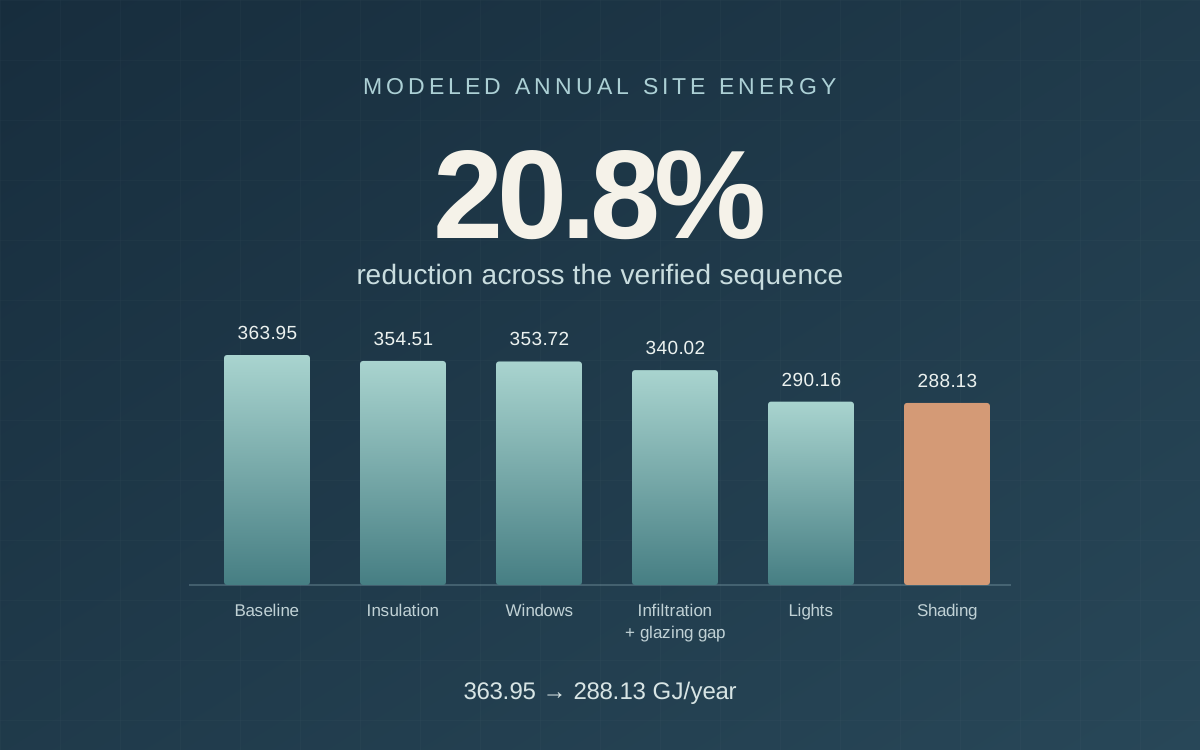
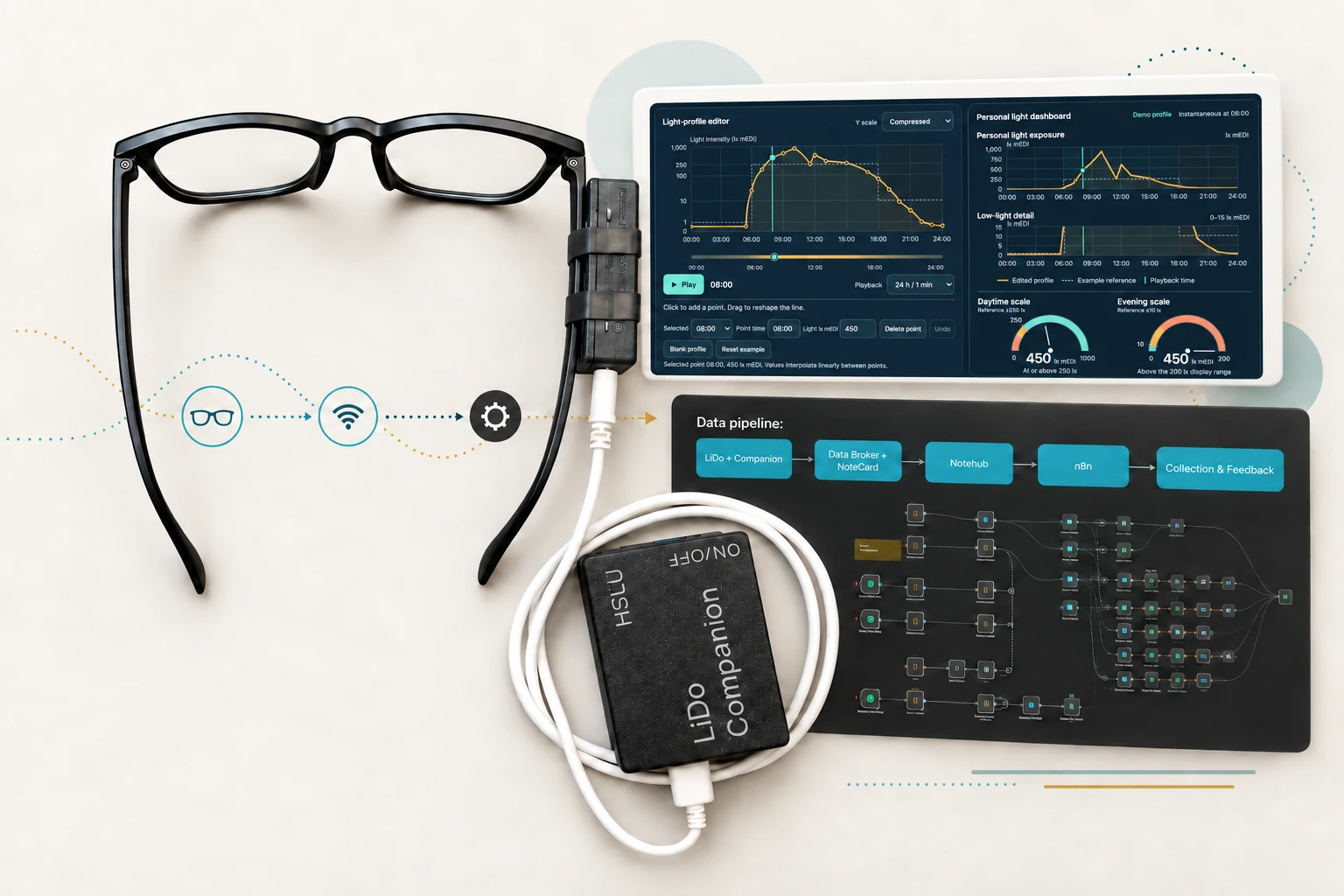
The EnergyPlus study traces a 20.8% modeled reduction through six stages. LuxRest documents acquisition, transfer, processing, and feedback in an operational field system.

03 / Research

Questions answered with evidence.

First-author publications connect adaptive shading and occupied-housing IAQ to practical building-science questions.

The TRIAD evidence map brings 728 qualified publications, grouped into 646 study families, into a three-domain framework; ET4WIBE organizes a 17-author synthesis into a staged technology roadmap.

04 / Design

Performance grounded in space.

Architectural and urban proposals connect environmental analysis with program, circulation, material systems, and public life.

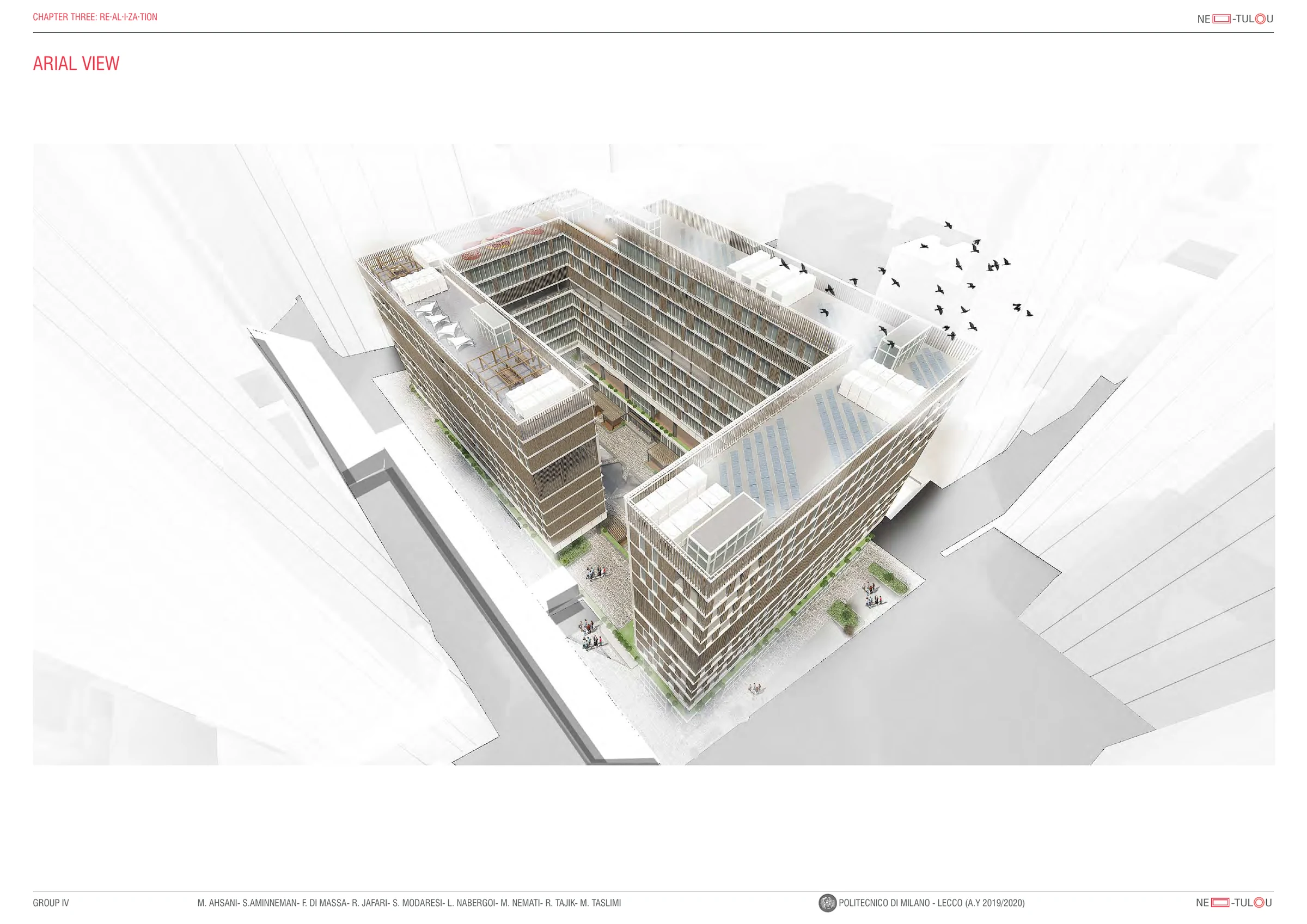
NEO-TULOU integrates collective housing with building systems. Vitality Chain organizes the Caldone corridor around connected civic and ecological destinations.

05 / Technical workspaces

Explore the engineering decisions.

The Engineering Lab brings system maps, controllers, and recorded model comparisons into interactive workspaces.

The data-hall project connects building-energy analysis, airflow, thermal balances, sensing, and controls in an interactive training studio with cooling, redundancy and transient-response exercises.

06 / Background

Engineering rigor. Design judgment.

Doctoral research in architectural engineering at Drexel University builds on architectural and building-engineering training at Politecnico di Milano and the University of Guilan.

The portfolio connects that training through field research, computational analysis, systems integration, and spatial design.

Swipe or use the arrows to explore. Scroll down to keep moving.

Contact

Do you have a question or want to chat?

Analytics preferences

Optional Google Analytics uses cookies to measure page visits and engagement. You can browse the entire portfolio with analytics off.

Analytics is off in this browser.

Privacy details. Change your choice here at any time. Your preference is remembered for up to 180 days.