01 / Measure
Environmental sensing and field deployment
Near-eye light, indoor air quality, connected devices, calibration, deployment preparation, data continuity, and participant protocols.
Academic research profile
This research connects environmental sensing, human-subject fieldwork, evidence synthesis, and occupant-facing systems. The recurring question is how measurements can become information and action without hiding uncertainty, context, or human agency.
Capabilities
Methods and tools are organized around the question, system, and evidence - not presented as an isolated software inventory.
01 / Measure
Near-eye light, indoor air quality, connected devices, calibration, deployment preparation, data continuity, and participant protocols.
02 / Study
Experimental design, IRB protocols, repeated measures, surveys, interviews, qualitative coding, and convergent interpretation.
03 / Analyze
Data quality, visualization, regression, mixed effects, PCA, clustering, structured review, evidence mapping, and reproducible interpretation.
04 / Translate
Dashboards, feedback, controls, decision frameworks, and prototypes that keep interpretation and practical action in the loop.
Flagship work
Field deployment, systematic evidence, publication, interdisciplinary synthesis, and implementation-oriented building systems.
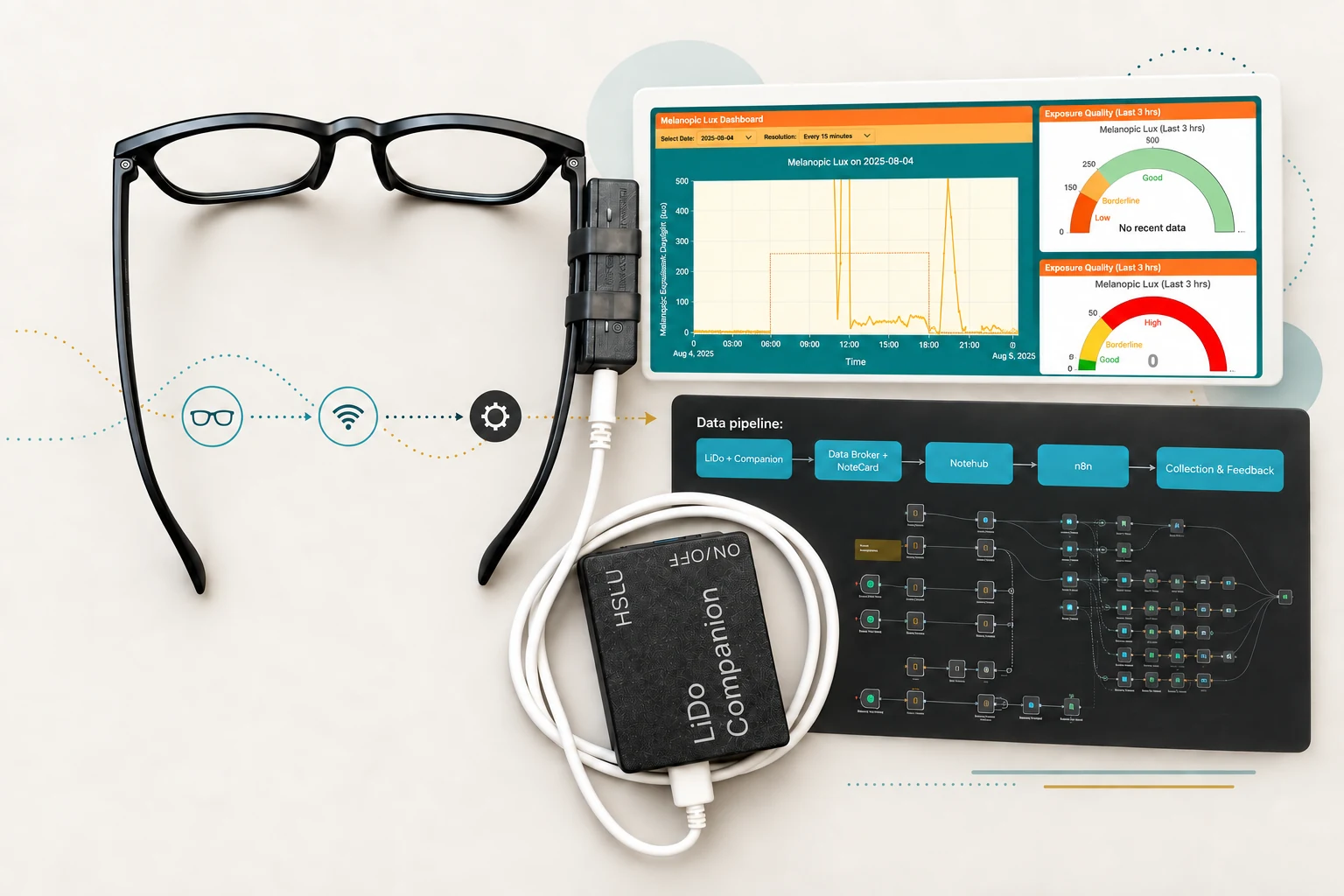 01
01A field-ready crossover dissertation testing how personalized, near-eye circadian-light feedback can make daily exposure more understandable and actionable.
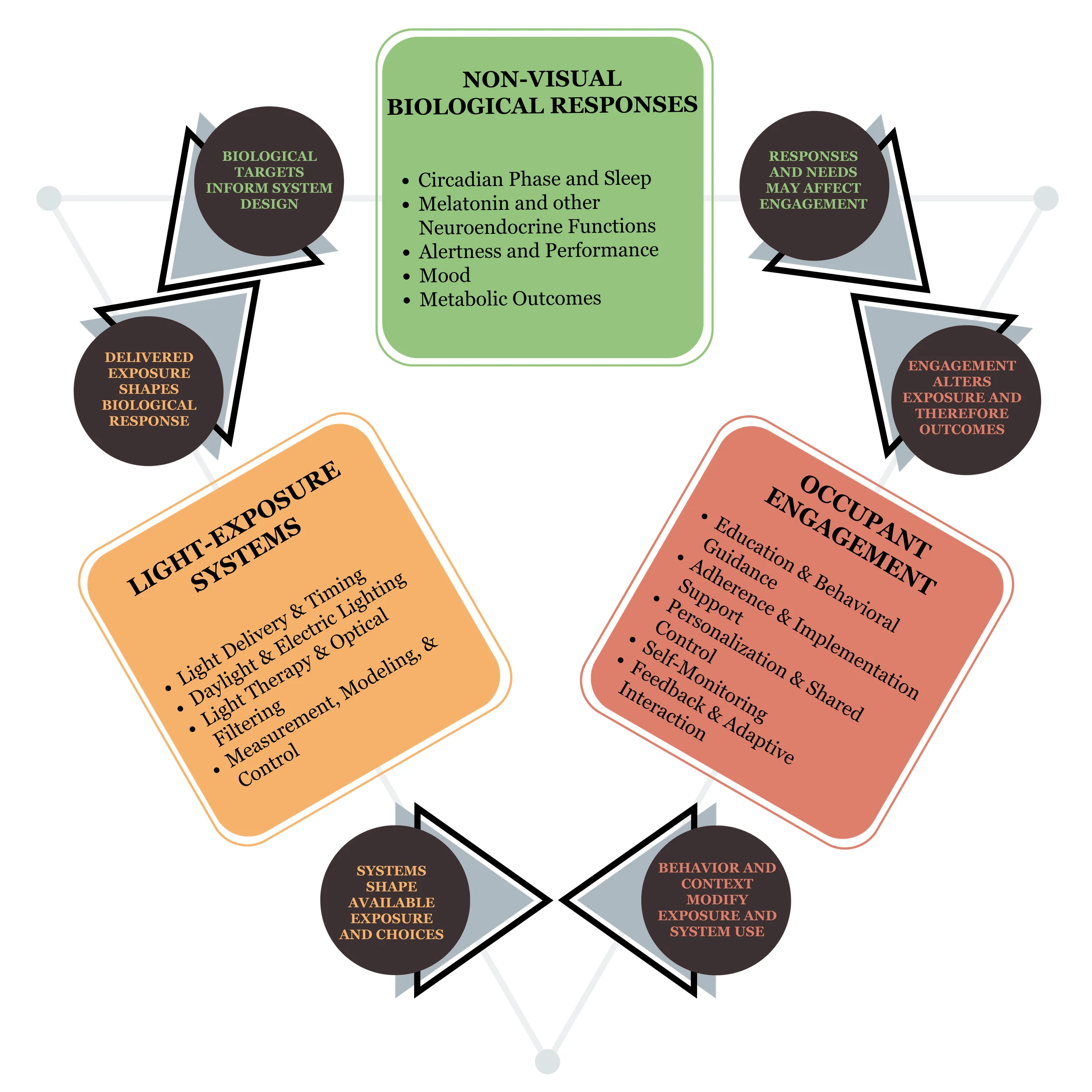 02
02A three-domain framework connecting biological response, light-exposure systems, and occupant engagement across 647 qualified publications representing 583 study families.
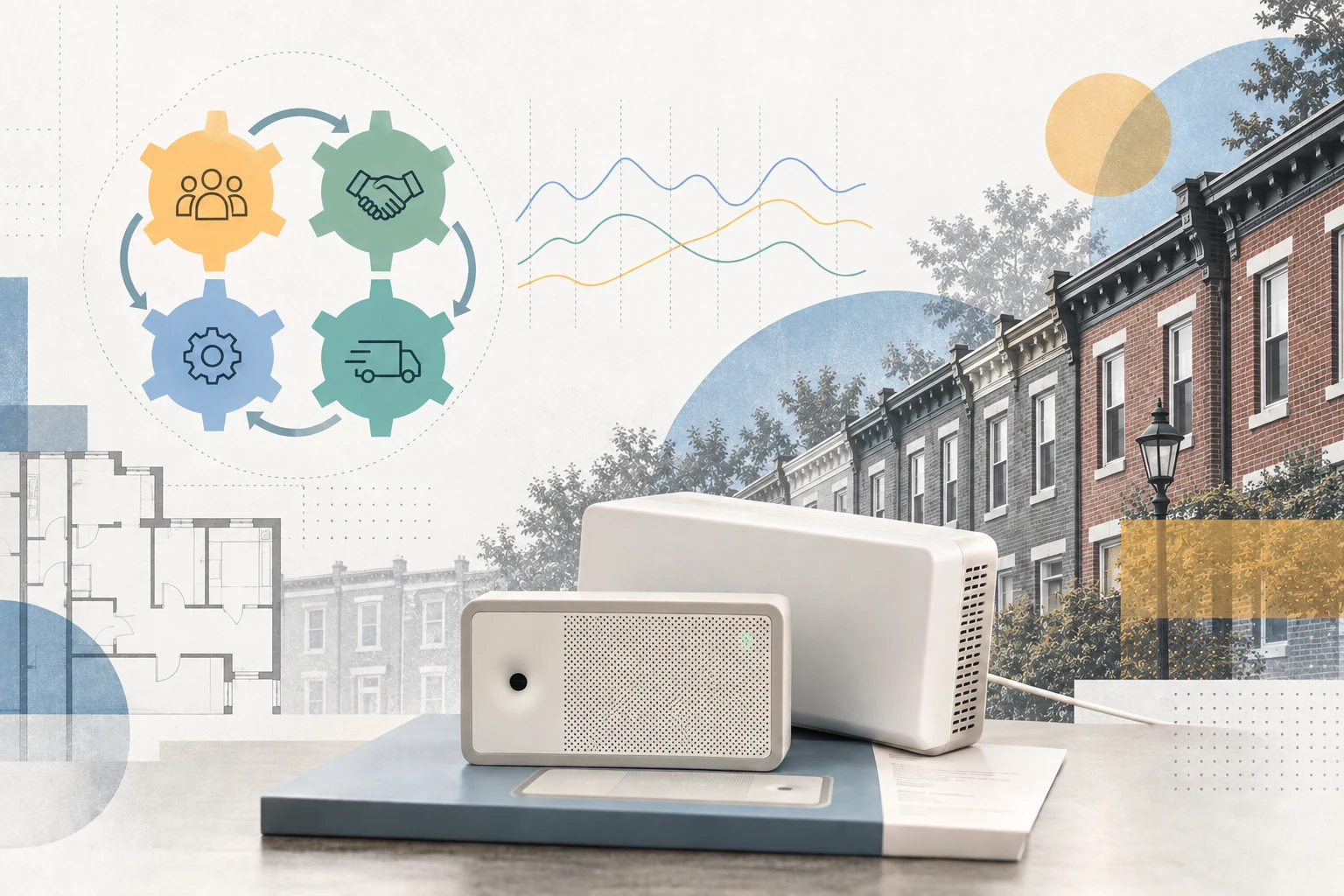 03
03A 54-household Philadelphia field program showing how community partnerships, privacy, connectivity, monitor selection, and deployment logistics determine the quality of residential IAQ evidence.
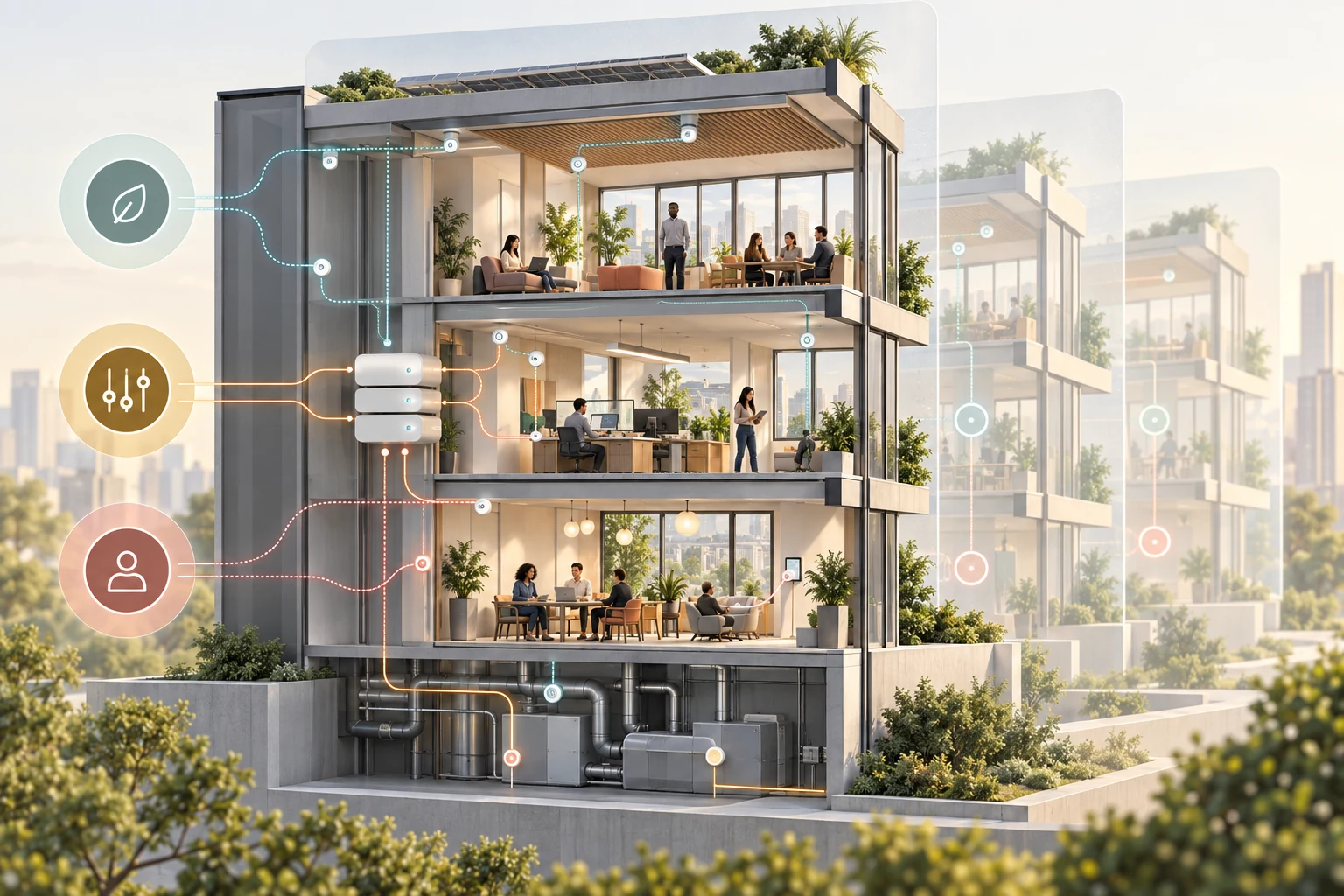 04
04A 17-author roadmap for moving enabling technologies for wellbeing-oriented intelligent buildings from isolated components toward usable, interoperable systems.
 05
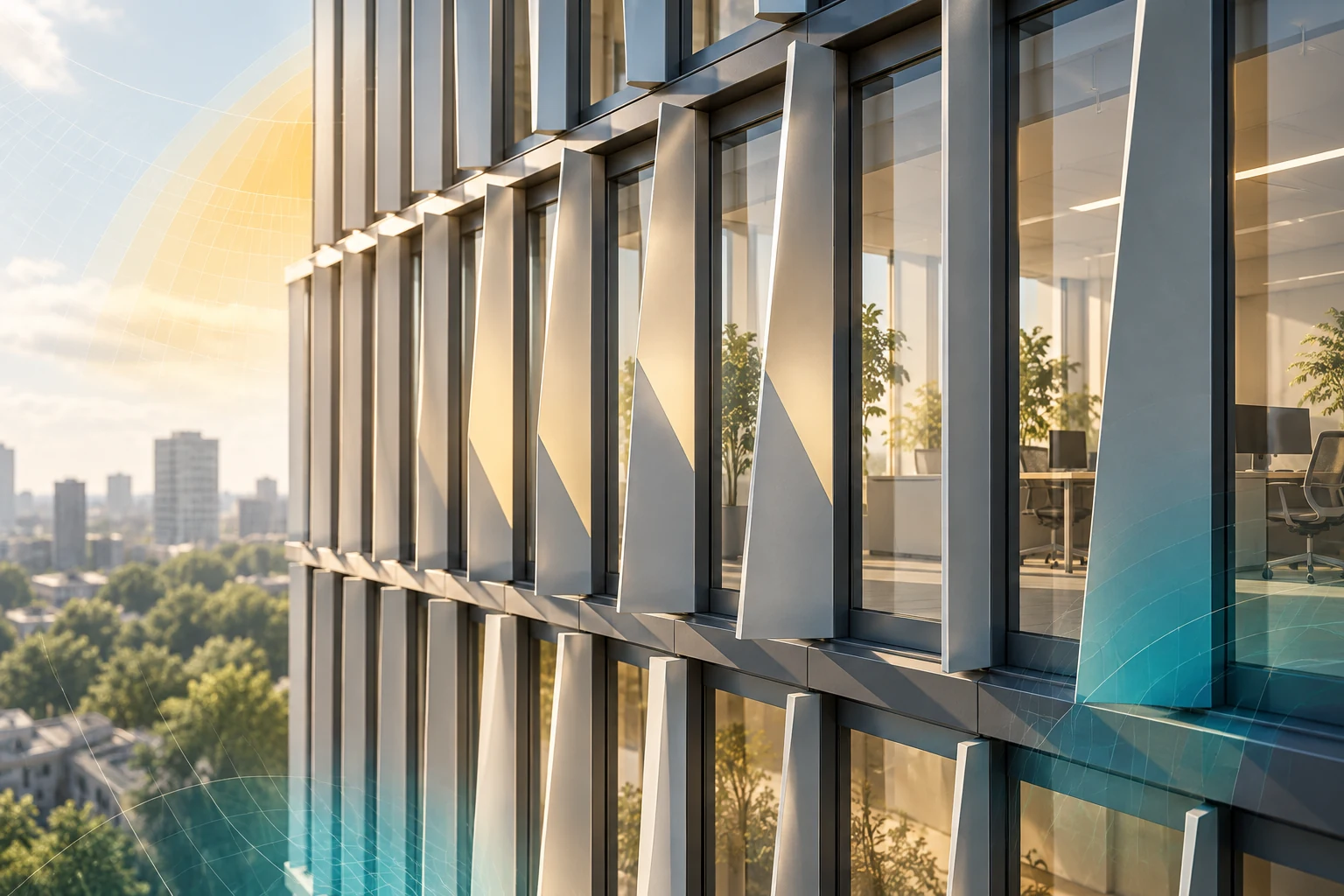
05A study of how daylight, glare, energy, thermal conditions, and individual preference can be combined in adaptive façade decisions.
Related work
The research archive extends beyond the flagship studies into decision frameworks, climate adaptation, building performance, and transparent exploratory analysis.
 01
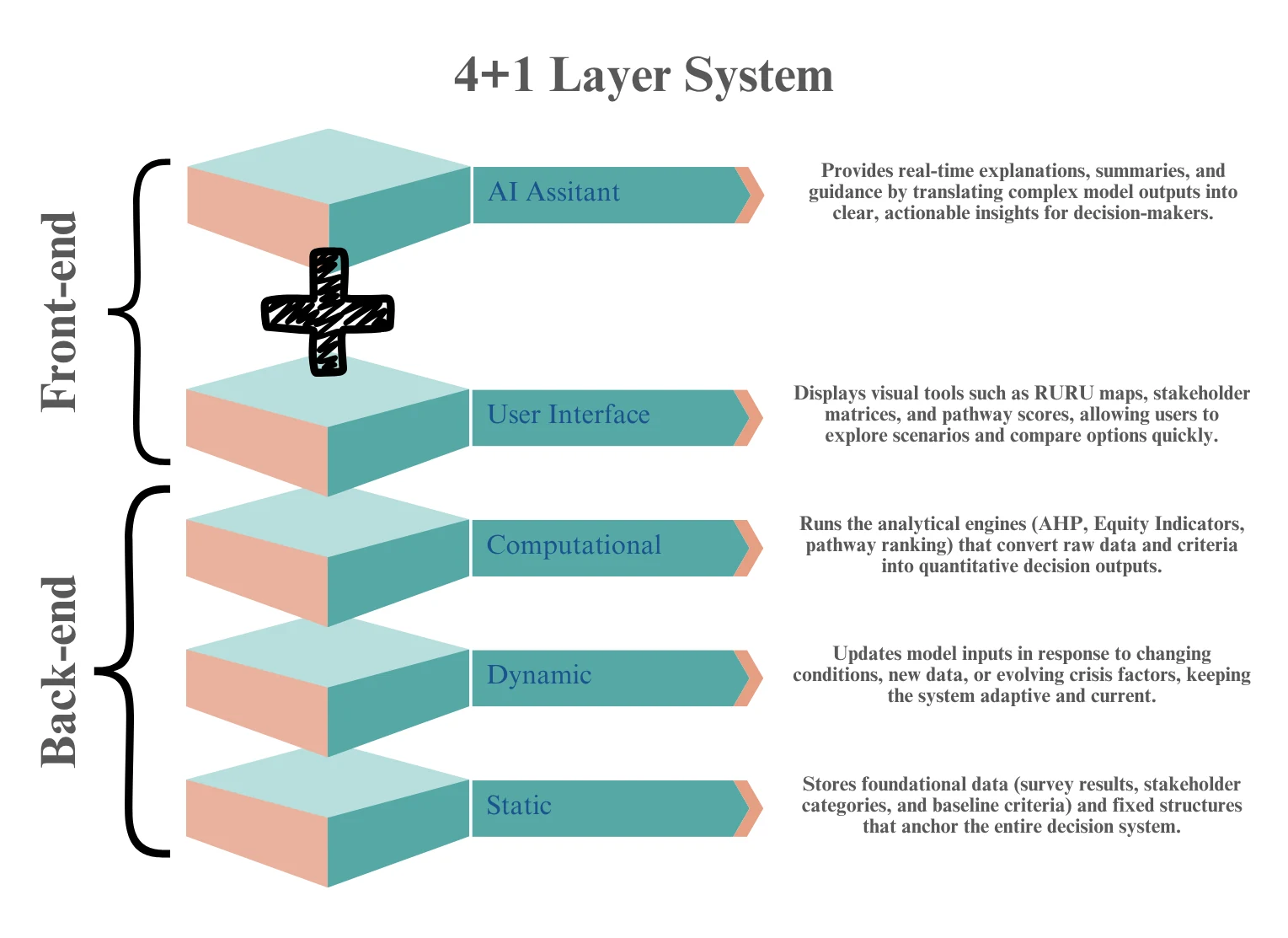
01A decision-support framework for prioritizing school investments across resources, urgency, regulation, uncertainty, equity, stakeholders, and governance.
 02
02A research chapter connecting nature-based urban and building strategies with heat-health benefits, implementation constraints, and questions of equitable access.
 03
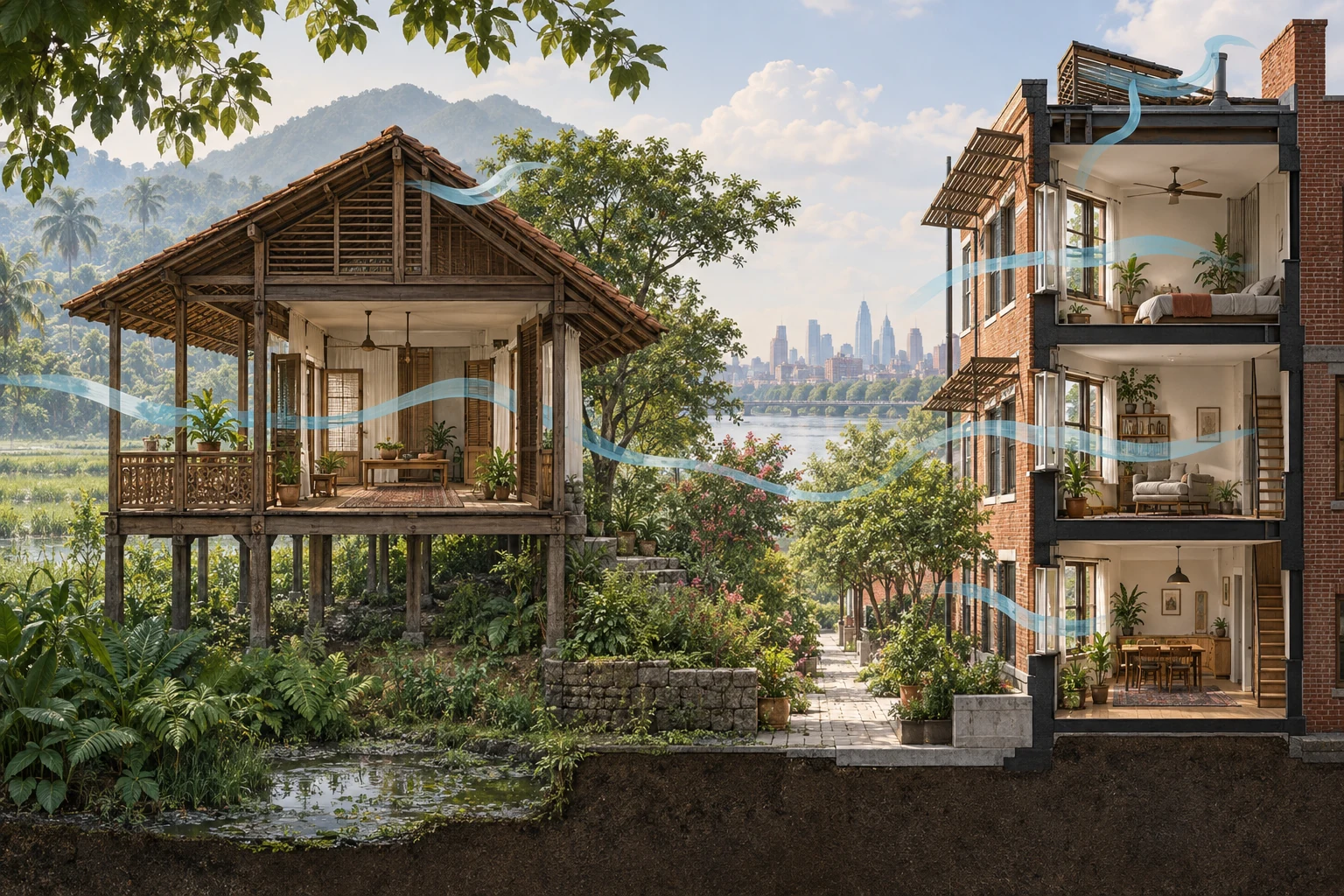
03Comparative climate and precedent analysis connecting Guilan’s humid-climate passive strategies with contemporary overheating questions in Philadelphia housing.
 04
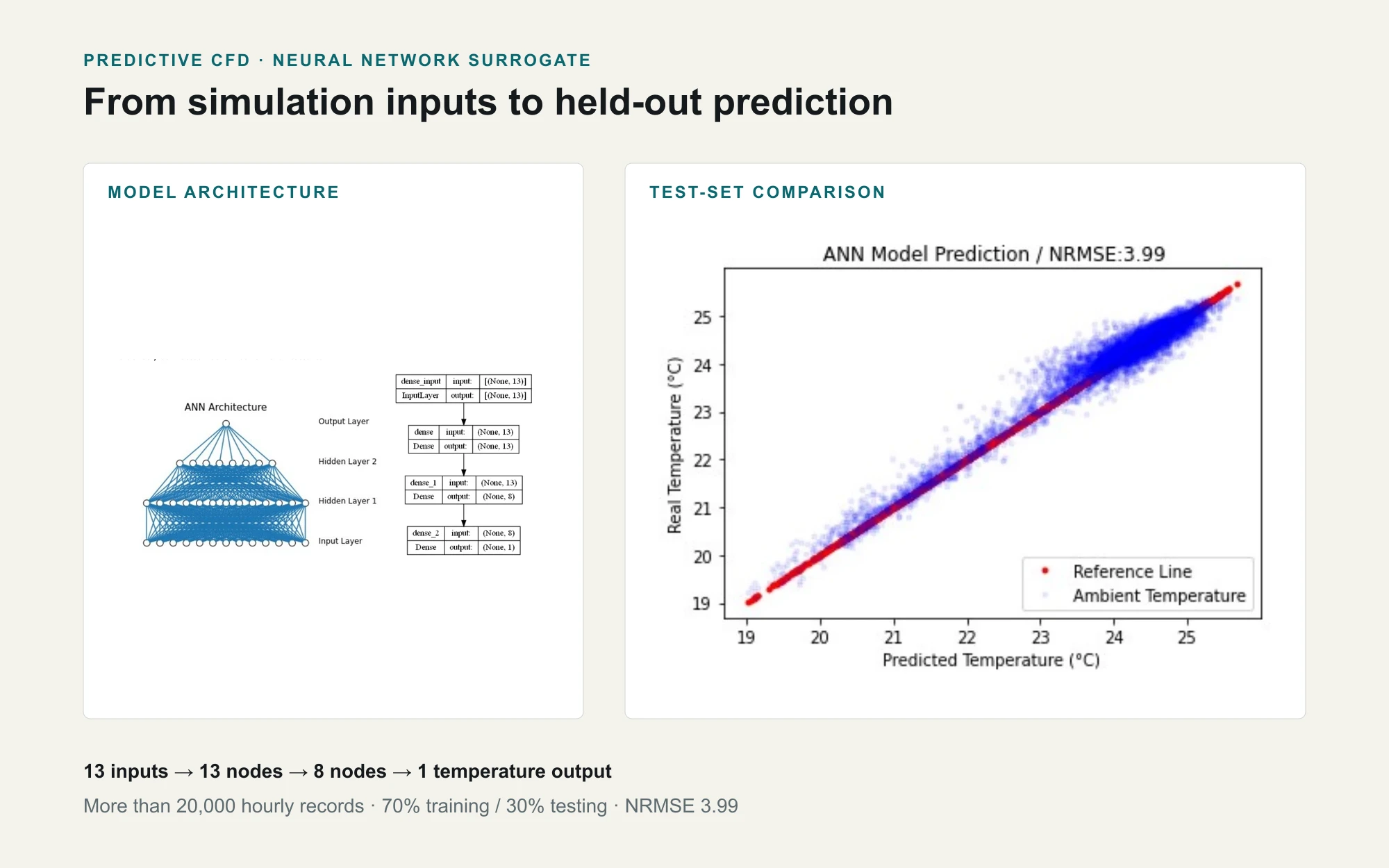
04A neural-network surrogate trained on more than 20,000 simulation records to explore faster performance feedback for building analysis.
 05
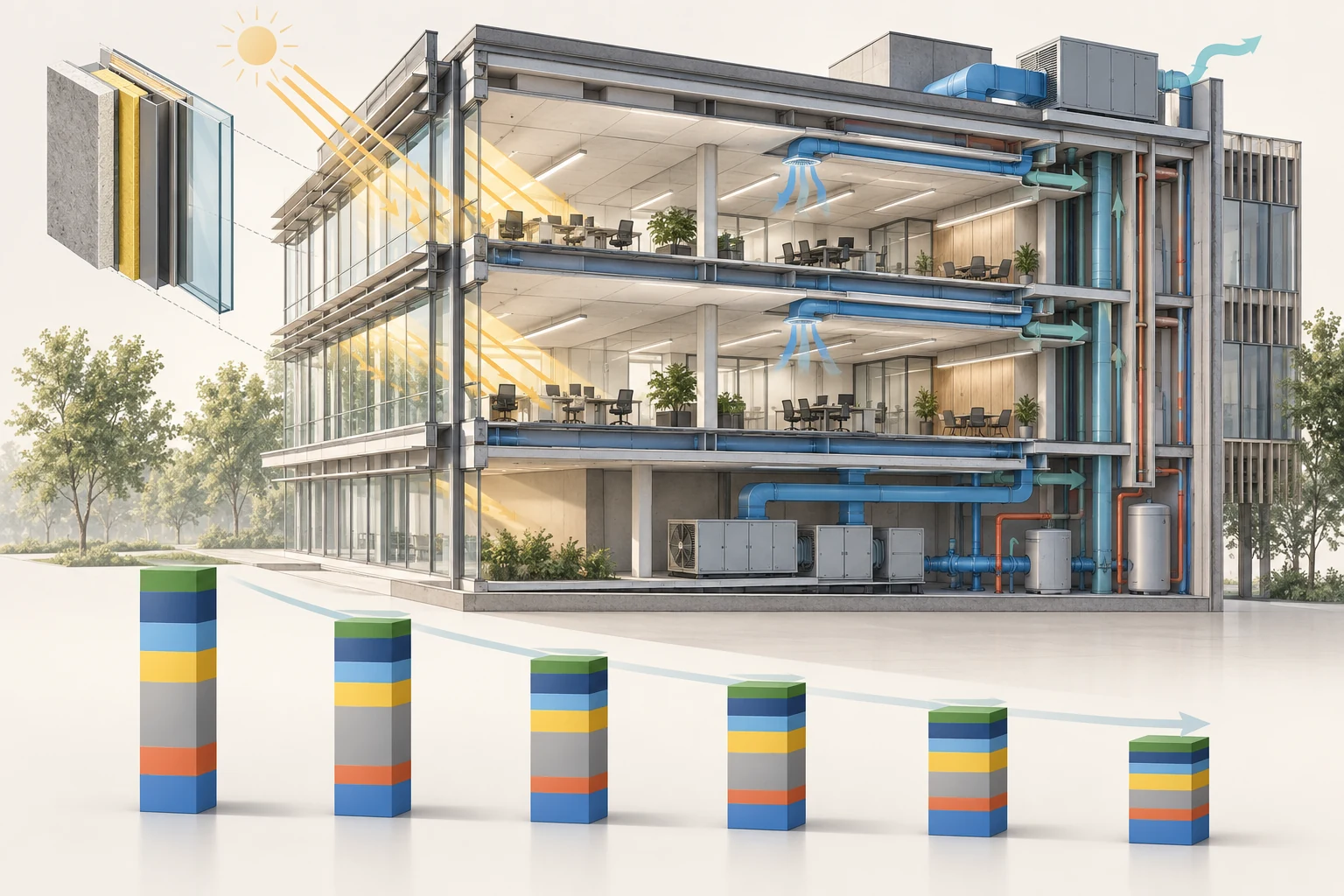
05A staged EnergyPlus study of a DOE small-office model, testing simulation settings, envelope assemblies, lighting, shading, and HVAC alternatives.
 06
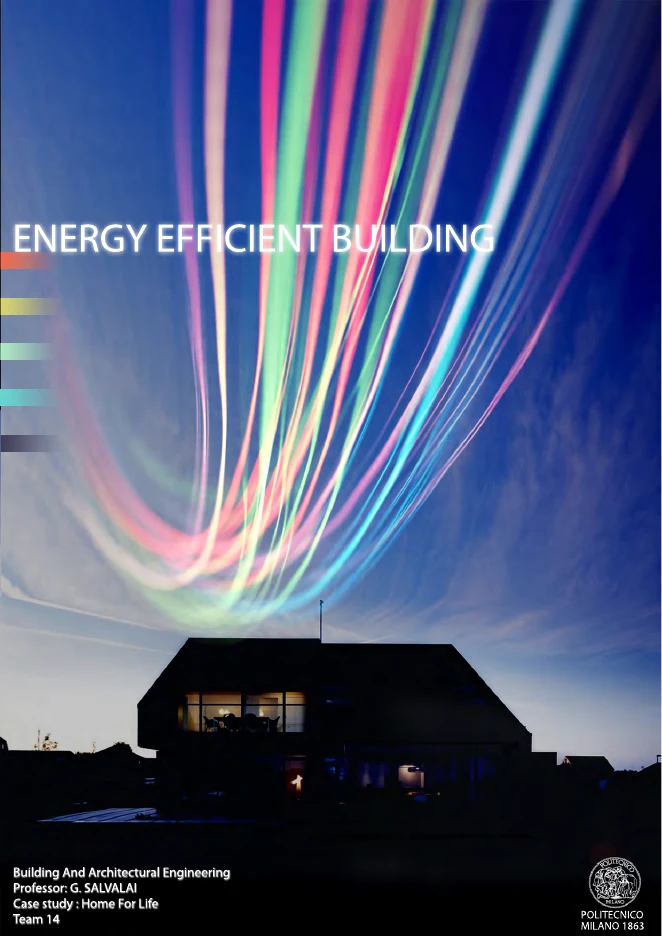
06A coordinated precedent study that uses staged simulation to examine interactions among passive, active, and renewable building systems.
A Wells–Riley analysis comparing outdoor-air ventilation and portable-air-cleaner capacity for infection-risk control in a sports-center scenario.
Contact